
In an increasingly interconnected world, proficiency in Chinese language provides students in Singapore with a competitive edge psle chinese tuition. This article explores the significance of mastering Chinese, the academic advantages it offers, and the career prospects it unlocks.
By delving into strategies to enhance language skills and available resources in Singapore, students seeking academic excellence can harness the power of language to broaden their horizons and excel in their educational pursuits.

Importance of Chinese Language in Singapore
As Singapore places a strong emphasis on bilingualism, the importance of the Chinese language is paramount for students in achieving academic success and cultural integration https://www.yanzimandarin.com/. Mandarin Chinese is not only one of the official languages of Singapore but also holds significant economic value due to China’s global influence. Proficiency in Chinese opens doors to a plethora of opportunities, from better career prospects to enhanced communication in multicultural settings. Moreover, understanding Chinese language and culture fosters deeper connections with Singapore’s heritage and the larger Asian community.
Students who excel in Chinese have a competitive edge in the job market and are better equipped to navigate the complexities of an increasingly interconnected world. Embracing the Chinese language is not just a scholastic requirement but a gateway to broader horizons and enriched experiences.
Academic Benefits of Learning Chinese
Proficiency in Chinese language enhances students’ academic performance and cognitive skills. Research shows that learning Chinese improves memory, problem-solving abilities, and critical thinking skills.
It also enhances overall academic achievement by promoting linguistic and cultural awareness. Students proficient in Chinese often demonstrate better performance in other subjects due to improved concentration and analytical skills.
Moreover, mastering Chinese characters can strengthen visual recognition and spatial abilities. These cognitive benefits extend beyond language acquisition, providing students with a competitive edge in an increasingly globalized world.
Career Opportunities for Chinese Proficient Students
Students who are proficient in the Chinese language open up a multitude of career opportunities both locally and internationally. In Singapore, being fluent in Chinese can provide a competitive edge in various industries such as tourism, hospitality, business, and education. Many local companies value employees who can communicate effectively in Mandarin to engage with Chinese-speaking clients and partners.
Moreover, with China’s growing influence in the global economy, there is a rising demand for professionals who can bridge the language and cultural gap between China and the rest of the world. Chinese proficient students can explore careers in translation, international business, diplomacy, tourism, and more. Embracing the Chinese language not only enhances job prospects but also fosters cross-cultural understanding and opens doors to diverse opportunities.
Strategies to Improve Chinese Language Skills
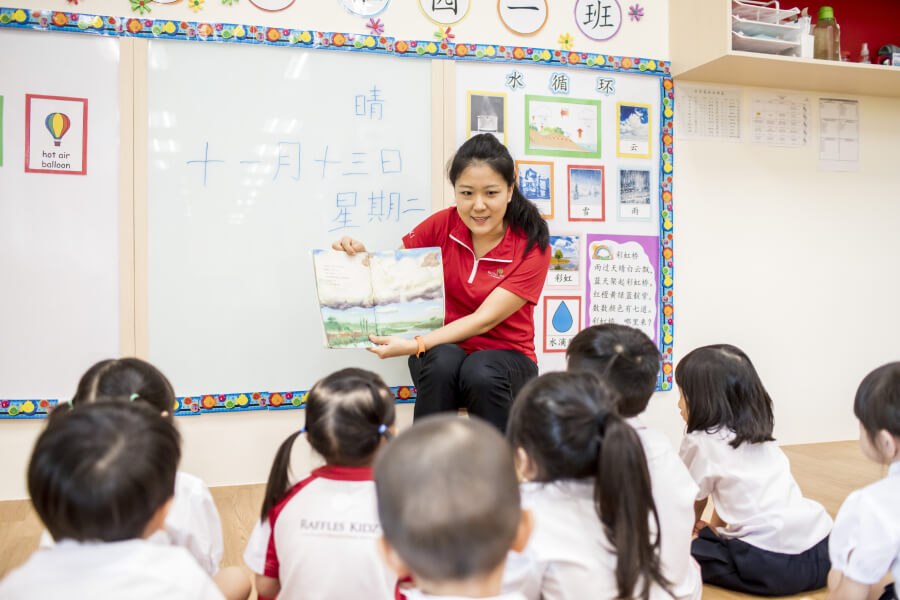
Enhancing one’s Chinese language skills requires consistent practice and exposure to diverse language contexts. To improve proficiency, students can engage in daily language practice through activities such as reading Chinese books, watching Chinese movies or dramas, and participating in conversations with native speakers.
Additionally, utilizing language learning apps and online resources can offer interactive ways to enhance vocabulary and grammar. Joining Chinese language clubs or enrolling in language courses can provide structured learning environments and opportunities for real-life application.
Immersing oneself in Chinese cultural events and activities can also deepen understanding and appreciation of the language. By incorporating these strategies into their routine, students can effectively enhance their Chinese language skills and achieve fluency.
Resources for Learning Chinese in Singapore
To further advance their Chinese language skills, students in Singapore can tap into a variety of resources tailored to their learning needs and preferences. From traditional textbooks and workbooks to interactive online platforms and language exchange programs, learners have the freedom to choose the tools that best suit their individual learning styles.
Additionally, institutions like the Confucius Institute and local community centers offer cultural events, workshops, and immersion programs to enhance language proficiency. Singapore’s multicultural environment provides ample opportunities for real-life practice through interactions with native speakers in daily life settings.
Conclusion
In conclusion, mastering the Chinese language can provide students in Singapore with a significant academic edge, opening up a multitude of career opportunities.
By improving their Chinese language skills through various strategies and resources available in Singapore, students can enhance their academic performance and increase their competitiveness in the job market.
It is essential for students to recognize the importance of Chinese language proficiency in today’s globalized world.


