
In the journey of post-surgery recovery porcupine dates, understanding the essential steps for optimal healing is paramount.
This article delves into the key components of surgery healing, focusing on:
- Pain management
- Wound care
- Medication adherence
- Activity level
- Follow-up care
By adhering to these crucial guidelines, patients can navigate their recovery process with confidence and pave the way for a smooth and successful healing journey.
Pain Management
Effective pain management post-surgery is crucial for ensuring optimal recovery and patient comfort. Addressing pain promptly not only enhances the healing process but also contributes to a better overall experience for the individual. Patients deserve to feel empowered in their recovery journey, free from unnecessary suffering.
Utilizing a combination of pharmacological and non-pharmacological interventions tailored to the patient’s needs is key. Medications like opioids should be used judiciously, balancing pain relief with the risk of dependency. Additionally, non-invasive techniques such as physical therapy, acupuncture, or relaxation exercises can complement traditional pain management approaches.
Wound Care
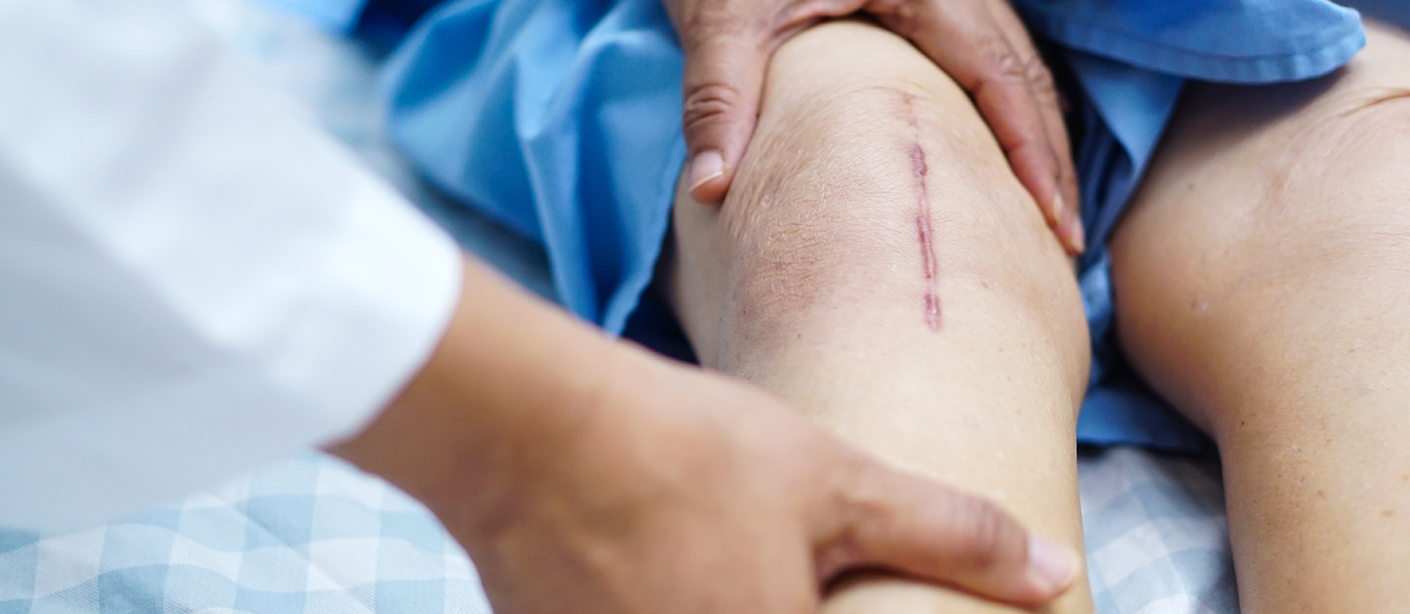
Prompt management of wound care is a fundamental aspect of post-surgery recovery, requiring regular attention and meticulous care to prevent complications and promote healing. Keeping the wound clean and dry is crucial to prevent infections. Follow the healthcare provider’s instructions on dressing changes, medication application, and signs of infection.
Monitor the wound for any redness, swelling, warmth, or increased pain, which could indicate a problem. It’s essential to avoid picking at scabs or scratching the wound to prevent delays in healing. Proper nutrition, including adequate protein intake, can also support the body’s healing process.
Seeking medical attention for any concerns about the wound is vital for successful recovery and optimal healing.
Medication Adherence
Continuing to follow the healthcare provider’s instructions on medication usage is crucial for supporting post-surgery recovery and ensuring optimal healing. Consistent adherence to the prescribed medication regimen helps manage pain, reduce inflammation, prevent infection, and promote overall well-being.
Missing doses or altering the schedule can hinder the healing process and lead to complications. It is important to communicate any concerns or side effects experienced with the healthcare provider promptly. Staying organized with medication schedules, setting reminders, and keeping track of refills can aid in maintaining adherence.

Activity Level
Maintaining an appropriate activity level after surgery is crucial for promoting proper healing and recovery. While it’s important to rest and allow the body time to heal, it’s equally essential to gradually increase activity levels as advised by your healthcare provider.
Engaging in light activities such as short walks or gentle stretching exercises can help improve circulation, prevent stiffness, and enhance overall well-being. It’s essential to listen to your body and avoid overexertion, as pushing yourself too hard can lead to setbacks in the healing process.
Follow-Up Care
Upon completion of surgery, it is imperative to adhere to scheduled follow-up appointments to monitor progress and address any concerns that may arise during the healing process. These follow-up visits are crucial in ensuring a smooth recovery and identifying any potential complications early on.
During these appointments, healthcare providers will assess the healing of the surgical site, check for signs of infection, and evaluate the overall recovery progress. Patients are encouraged to communicate openly about their symptoms and any challenges they may be facing post-surgery.
Additionally, follow-up care may involve adjustments to medication, wound care instructions, or recommendations for physical therapy. By actively participating in these follow-up appointments, individuals can optimize their healing journey and achieve the best possible outcome.
Conclusion
In conclusion, following essential steps such as managing pain, proper wound care, medication adherence, maintaining activity levels, and attending follow-up care are crucial aspects of successful surgery healing.
These steps play a vital role in ensuring the best possible outcome and minimizing complications during the recovery process.
By adhering to these key principles, patients can promote optimal healing and restoration of their health post-surgery.


